This is standard practice, and Deborah was
taking steps to cooperate with CPS. But she
also wanted to limit the invasiveness of the
CPS investigation into her children’s lives and
prevent possible trauma resulting from the
investigation. Scholarship has consistently
found that CPS investigations, regardless of the
outcome, can have lasting, sometimes lifelong
effects on children.[1]
Deborah was particularly on guard because of
some offhand comments the CPS investigator
had made to her about not liking homeschooling.
I immediately responded to the investigator’s
email with two questions: First, was she
providing Deborah with legal advice? That
would be illegal under California law, unless
she is an attorney. And second, was she trying
to prohibit Deborah from exercising her
constitutional right to retain the attorney of
her choice? The investigator never responded to
that email.
In the meantime, as part of Deborah’s desire to
cooperate with the CPS investigation (while also
limiting trauma to her children), she had agreed
to a short video call with the CPS investigator
and me so the investigator could conduct a
virtual assessment. The investigator’s response to
Deborah’s email shocked me for a second time.
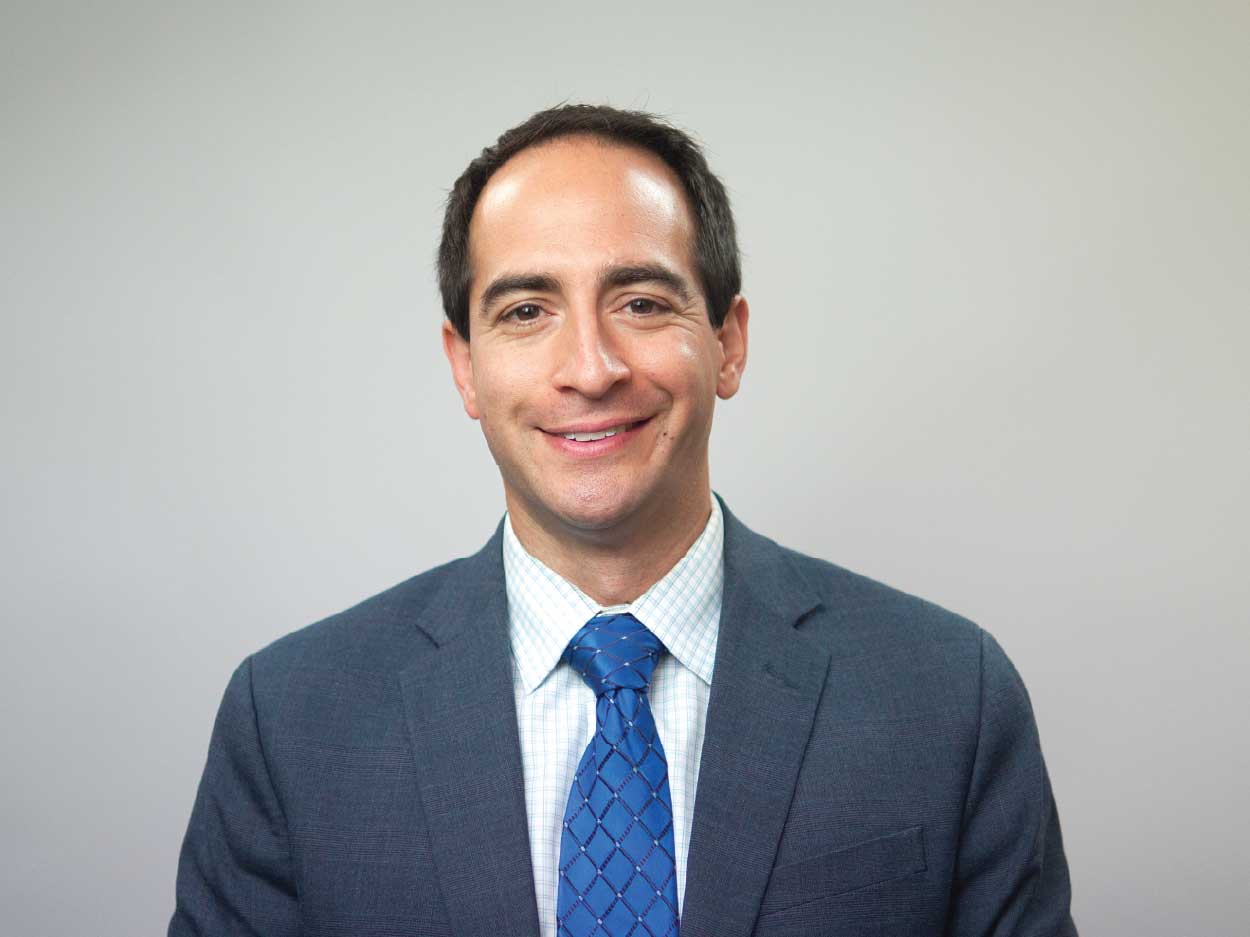
The photo referenced by the CPS investigator
“Is this Will Estrada for the HSLDA?” she
wrote to Deborah. “If he is going to be on the
virtual call I’m really hoping he look [sic]
like this.” Attached was a photo of me she
found online.
So, a government official (the CPS
investigator) was harassing a family,
potentially trying to come between her
and her chosen attorney, and then making
completely inappropriate and unprofessional
comments. I was incensed on behalf of
Deborah and her children.
We have years of experience walking
families through CPS investigations, and
have recently defended families facing
them in Indiana,[2]
Texas,[3]
Florida,[4]
and other
states.[5]
And we drew on this experience as we
represented Deborah and her family.
I called Deborah, and we discussed how
to respond. Deborah decided she no longer
trusted the CPS investigator to be fair and
impartial.
So I emailed the CPS investigator (copying
her supervisor and including the email which
contained my photo) and advised both of
them that as I had already told her, Deborah
was represented by counsel (me), and all
further contact with the family had to be done
through me as Deborah’s attorney.
I then included the following paragraph:
“Please be advised that under well settled
law, any investigation conducted by your
agency must be conducted in accordance
with the Fourth Amendment to the U.S.
Constitution, including attempted home
visits. As you may not be aware, the 9th
Circuit, in a case litigated by HSLDA, has
held that a social worker may be held
personally liable for a failure to comply
with the Fourth Amendment. For your
convenience, I have attached the court’s
decision in that case to this email.”
I included some additional relevant
information documenting Deborah’s good faith
efforts to cooperate with the investigation,
including the fact that she and her children
had previously met with another investigator,
and that her attempts to set up a meeting with
the current investigator had been met with
silence for several months.
I closed my email with these words: “If
you or your [county agency] attorney believe
that further action is necessary to close this
investigation, please advise me of such.
Otherwise, we will expect you to close this
investigation [into Deborah] as unfounded.”
Soon after I sent this email, the CPS
investigator called me directly. Her tone had
completely changed. She acknowledged that
Deborah had never been the subject of the
CPS investigation, that she did not need to
do any further assessments, and that she was
closing her case involving Deborah, while she
would continue to investigate the allegations
against the children’s father.
I called Deborah and relayed the good
news. Needless to say, she was overjoyed. A
few months later, I was privileged to meet
Deborah and her beautiful children in person
at a homeschool event in California.
When I was going through these hard times, every story I read about how HSLDA helped families like mine gave me the encouragement to go on,” she later told me. “I cannot even begin to tell you how much your help meant to me. Going up against a government entity is terrifying. Thank you so much for your help.”
As noted earlier, Deborah’s family is one of many member families HSLDA has successfully represented in CPS investigations related to homeschooling.
In California in particular, we saw a significant win after CPS investigators entered the Calabretta family’s home without their consent and strip-searched their children. The 9th Circuit Court of Appeals ruled CPS had violated the family’s Fourth Amendment rights by searching their home without probable cause or a warrant.[6] It was this case that we referenced in our defense of Deborah.
We also represented Vanessa Wilson in California after CPS wrongfully took custody of her 4-year-old. She was reunited with her daughter and received a $700,000 settlement from CPS after we filed a lawsuit on her behalf.[7]
These cases show the breadth of experience that HSLDA can bring to bear for our member families. And we will continue to do so. Our goal is to vigorously advocate for homeschool freedom and give families peace of mind as they educate their children.
ENDNOTES
[1] Dorianne Coleman, “Storming the Castle to Save the Children: The Ironic Costs of a Child Welfare Exception to the Fourth Amendment,” William and Mary Law Review 47, no. 2 (2005); Anna Belle Newport, “Civil Miranda Warnings: The Fight for Parents to Know Their Rights During A Child Protective Services Investigation,” Columbia Human Rights Law Review 54, no. 2 (2023); Colleen Kraft, “AAP Statement Opposing Separation of Children and Parents at the Border,” American Academy of Pediatrics, May 8, 2018, https://publications.aap.org/aapnews/news/6615.

